
• $
    • $ Dollar
    • € Euro
    • £ Pounds
  • $0.00
  • Login
  • Home page 1
  • Shop
  • Blog
    • Classic Sidebar
    • Aside Title
    • Standard Post With Sidebar
    • Full Width Review
    • Review Post With Sidebar
    • Single
      • Standart Post
      • Standard Post With Sidebar
  • Contacts

Chat post

Mike:

Other techniques associated with Old World winemakers include higher fermentation temperatures and a period of extended maceration following fermentation where the wine can leech more phenolic compounds from the grape skins.

Lisa:

This can create more tannic and austere wines with more layers of complexity that require longer periods of bottle aging in order to mature. In contrast, the technique of transferring the must into oak barrels during fermentation and inducing malolactic fermentation early is more commonly associated with New World wine regions and wines that are softer and mature earlier.
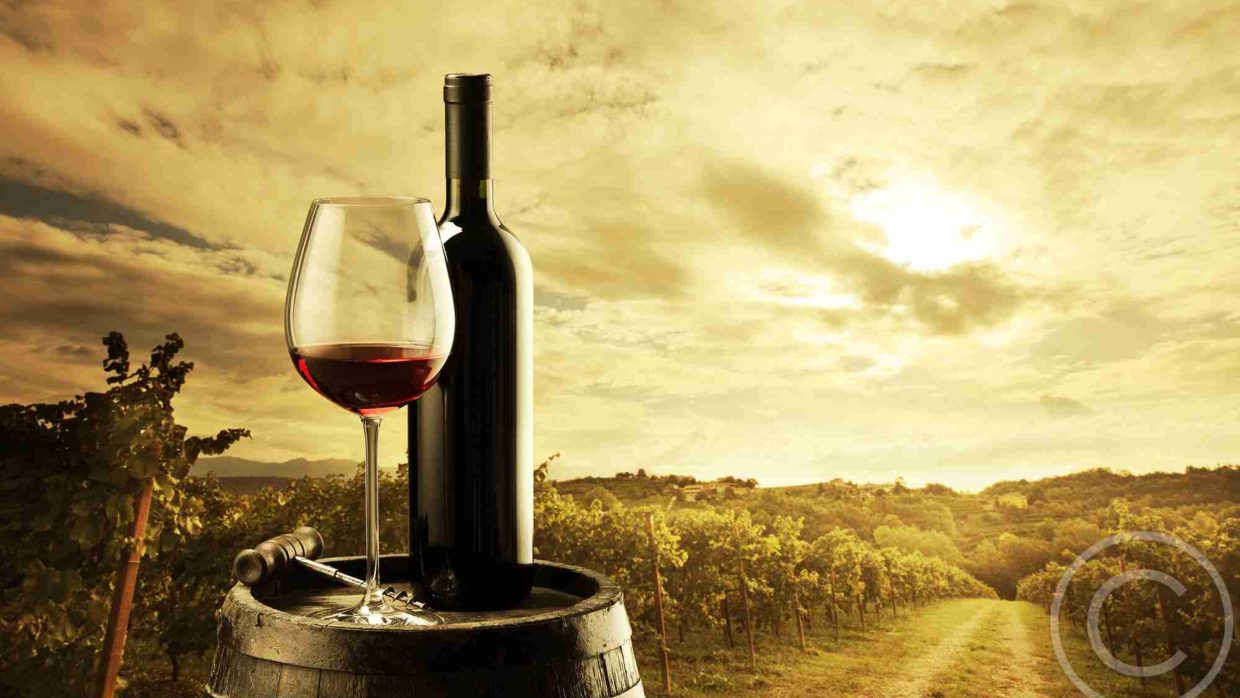

Hello world!

Photography svilla2k18February 8 | 8:16 AMHTML, Thumb, Video
Hello world!

Viticulture in most of the Old World wine regions dates back to several hundred or even thousands of years with the Phoenicians, Greeks and Romans establishing some of the earliest vineyards. Over centuries, these Old World wine regions have developed viticultural techniques and practices adapted around their unique climates and landscapes. Many of these practices

Read more

Aside format

bigstock-Trendy-young-man-at-home-smil-523626612Mat Jefferson

Old World winemaking is often terroir driven with emphasis being placed on how well the wine communicates the sense of place where it originated. For example, a winemaker making a Riesling from the Mosel will often try to highlight the unique traits of the Mosel wine region (such as its slate soils) with the wine expressing those traits in the form of minerality.

New World Wines in Industrial Age

New World Wines in Industrial Age

Vine cuttings from the Cape of Good Hope were brought to the penal colony of New South Wales by Governor Phillip on the First Fleet (1788). An attempt at wine making from these first vines failed, but with perseverance, other settlers managed to successfully cultivate vines for winemaking, and Australian made wine was available for

Read more

How We Got to Know About Wine

Archaeological evidence has established the earliest-known production of wine from fermenting grapes during the late Neolithic or early Chalcolithic in the Caucasus and the northern edge of the Middle East. An extensive gene-mapping project in 2006 analyzed the heritage of more than 110 modern grape cultivars, narrowing their origin to a region of Georgia. This

Read more

Classification Of Wine

Regulations govern the classification and sale of wine in many regions of the world. European wines tend to be classified by region (e.g. Bordeaux, Rioja and Chianti), while non-European wines are most often classified by grape (e.g. Pinot noir and Merlot). Market recognition of particular regions has recently been leading to their increased prominence on

Read more
Popularity and Backlash of Chardonnay

Popularity and Backlash of Chardonnay

Due to the “malleability” of Chardonnay in winemaking and its ability to reflect its terroir, there is not one distinct universal “style” or set of constants that could be applied to Chardonnay made across the globe. According to Jancis Robinson, a sense of “smokiness” is one clue that could be picked up in a blind

Read more

Accordion

ACCORDION 1
The first definition of a wine-area called Chianti was made in 1716. It described the area near the villages of Gaiole, Castellina and Radda; the so-called Lega del Chianti and later Provincia del Chianti (Chianti province). In 1932 the Chianti area was completely re-drawn and divided in seven sub-areas: Classico, Colli Aretini, Colli Fiorentini, Colline Pisane, Colli Senesi, Montalbano and Rùfina.
ACCORDION 2
Most of the villages that in 1932 were included in the new Chianti Classico area added in Chianti to their name-such as Greve in Chianti which amended its name in 1972. Wines labelled “Chianti Classico” come from the biggest sub-area of Chianti, that includes the original Chianti heartland. Only Chianti from this sub-zone may boast the black rooster seal on the neck of the bottle
ACCORDION 3
Other variants, with the exception of Rufina from the north-east side of Florence and Montalbano in the south of Pistoia, originate in the respective named provinces: Siena for the Colli Senesi, Florence for the Colli Fiorentini, Arezzo for the Colli Aretini and Pisa for the Colline Pisane. In 1996 part of the Colli Fiorentini sub-area was renamed Montespertoli.

Toggles

TOGGLES 1
During the 1970s producers started to reduce the quantity of white grapes in Chianti. In 1995 it became legal to produce a Chianti with 100% Sangiovese. For a wine to retain the name of Chianti, it must be produced with at least 80% Sangiovese grapes. Aged Chianti (38 months instead of 4–7), may be labelled as Riserva. Chianti that meets more stringent requirements may be labelled as Chianti Superiore, although Chianti from the “Classico” sub-area is not allowed in any event to be labelled as “Superiore”.
TOGGLES 2
The original area dictated by the edict of Cosimo III de’ Medici would eventually be considered the heart of the modern “Chianti Classico” subregion. As of 2006, there were 7,140 ha (17,640 acres) of vineyards in the Chianti Classico subregion. The Chianti Classico subregion covers an area of approximate 260 km2 (100 square miles) between the city of Florence to the north and Siena to the south.
TOGGLES 3
The four communes of Castellina in Chianti, Gaiole in Chianti, Greve in Chianti and Radda in Chianti are located entirely within the boundaries of the Classico area with parts of Barberino Val d’Elsa, San Casciano in Val di Pesa and Tavarnelle Val di Pesa in the province of Florence as well as Castelnuovo Berardenga and Poggibonsi in the province of Siena included within the permitted boundaries of Chianti Classico.

Tabs

  • TAB 1
  • TAB 2
  • TAB 3
Labels may include terms that may be perceived as misleading. The term Blanc de blancs may be included in a label. This term means “white wine made from white grapes”. The fact is that white wines are predominantly made from white grapes, with the exception of many sparkling wines, the common use of the red Pinot noir in Champagne wines being a typical example.
A wine label may include the producer, the bottler and the merchant’s names. The bottler’s name must always be included in the label. The importer’s name must be included in the label only for countries outside the Common Market.
To better reach the market of blind or sight-impaired wine consumers, labels have appeared printed in Braille. Currently the only known winemaker who has taken the initiative to print all their labels in Braille is Chapoutier winery in France.

Table

# COL 1 COL 2 COL 3 COL 4
1 Row 1 cell 1 Row 1 cell 2 Row 1 cell 3 Row 1 cell 4
2 Row 1 cell 1 Row 1 cell 2 Row 1 cell 3 Row 1 cell 4
3 Row 1 cell 1 Row 1 cell 2 Row 1 cell 3 Row 1 cell 4
4 Row 1 cell 1 Row 1 cell 2 Row 1 cell 3 Row 1 cell 4

Audio

It's Not Goodbye
Laura Pausini
  • « First
  • «
  • 7
  • 8
  • 9
  • 10
  • 11
  • »
Tags
Art Audio Brand Design Drawing HTML Large Gallery Style Logo People Photo Print Spring Thumb Video
Archives
  • January 2015 (22)
  • November 2014 (17)
  • October 2014 (12)
  • September 2014 (5)
  • July 2014 (3)
  • June 2014 (11)
  • May 2014 (5)
  • April 2014 (1)
  • February 2014 (26)
  • January 2014 (20)
  • Log In
  • Create an Account
  • Forgot password?
  • Login
  • [wordpress_social_login]
  • Terms & Conditionst
  • Sing UP